Steel is used in almost every major industry, but its performance depends on much more than the way it is manufactured. Steel goes through a series of specialised processes that improve its strength, finish and accuracy, even the overall performance, before it is used in construction.
These processing stages transform raw steel into products that are capable of meeting the high standards expected across modern industries.
Among the different forms of steel, flat steel is one of the most versatile. To ensure it performs reliably in these applications, flat steel must undergo carefully controlled processing. Different manufacturing companies support this demand through advanced processing facilities that produce value-added flat steel products designed to meet the evolving needs of industries in 2026.
Each processing method serves a different purpose, but together they help produce flat steel that is stronger, more reliable, and easier to work with. Understanding these processes also explains why processed steel performs so well across a wide range of industries.
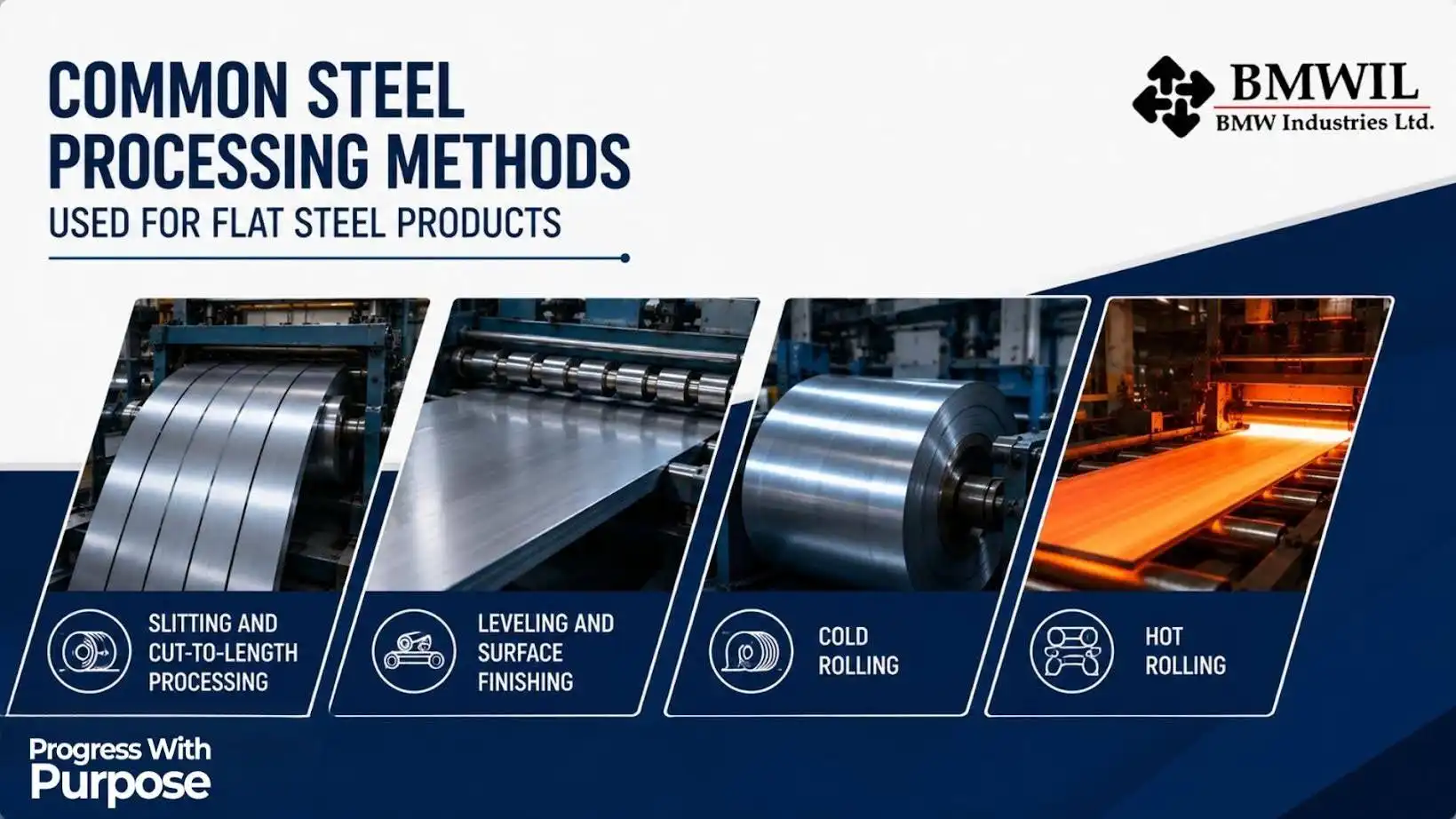
Hot rolling is one of the earliest stages in the processing of flat steel. During this process, steel is shaped while it is heated to high temperatures, making it easier to roll into coils, sheets, and other forms. This method improves the steel’s workability and allows manufacturers to produce products in larger sizes efficiently. Although the surface finish is not as smooth as cold rolled steel, hot rolling creates the foundation for many other processing stages.
Once hot rolling is complete, many steel products undergo cold rolling to achieve greater precision and improved surface quality. This process is carried out at room temperature which allows the steel to develop tighter dimensional tolerances. Cold rolled steel is often chosen for applications where appearance and accuracy are just as important as performance. Industries like automotive, engineering, electrical equipment, and appliance manufacturing rely on cold rolled products because they offer excellent consistency and are easier to fabricate into high-quality finished components.
Not every manufacturer requires steel in the same dimensions. This is where Slitting and Cut-to-Length Processing become especially valuable. Slitting divides wide steel coils into narrower strips with precise widths, while cut-to-length processing produces sheets cut to exact customer specifications. These processes also ensure greater consistency throughout manufacturing, making them an important part of delivering customised steel solutions for different industries.
The quality of a steel product is influenced not only by its strength but also by its flatness and finish. Leveling removes residual stresses and corrects minor shape variations, ensuring the material remains flat throughout fabrication and installation. This improves dimensional consistency while making the steel easier to process further. Surface finishing enhances both appearance and functionality by creating a smoother surface that is better suited for coating, painting, or additional treatments.
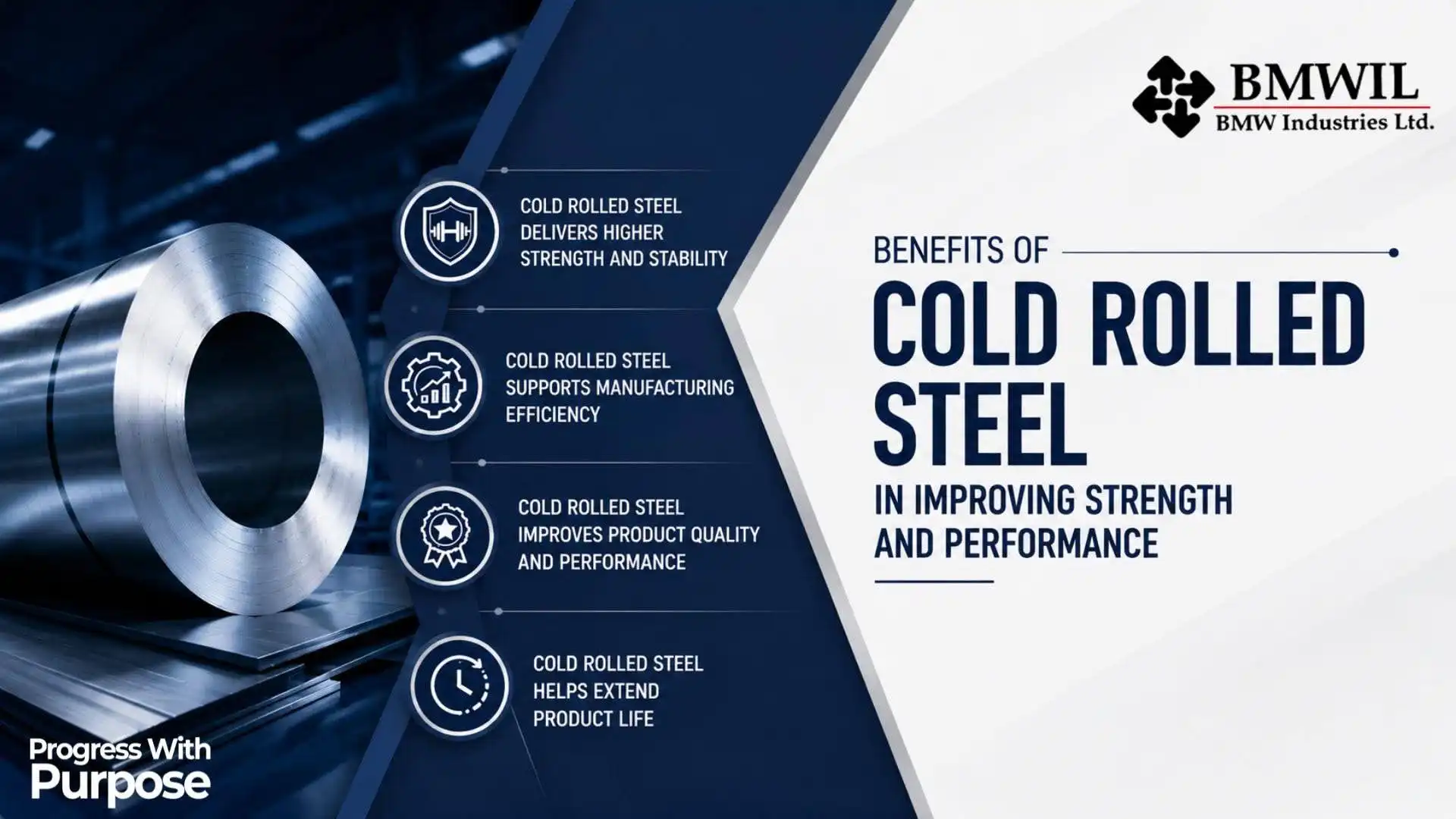
The benefits of steel processing extend far beyond improving the appearance of steel. Proper processing enhances product quality, supports efficient manufacturing, and ensures the steel performs reliably throughout its service life.
Some of the major benefits include:
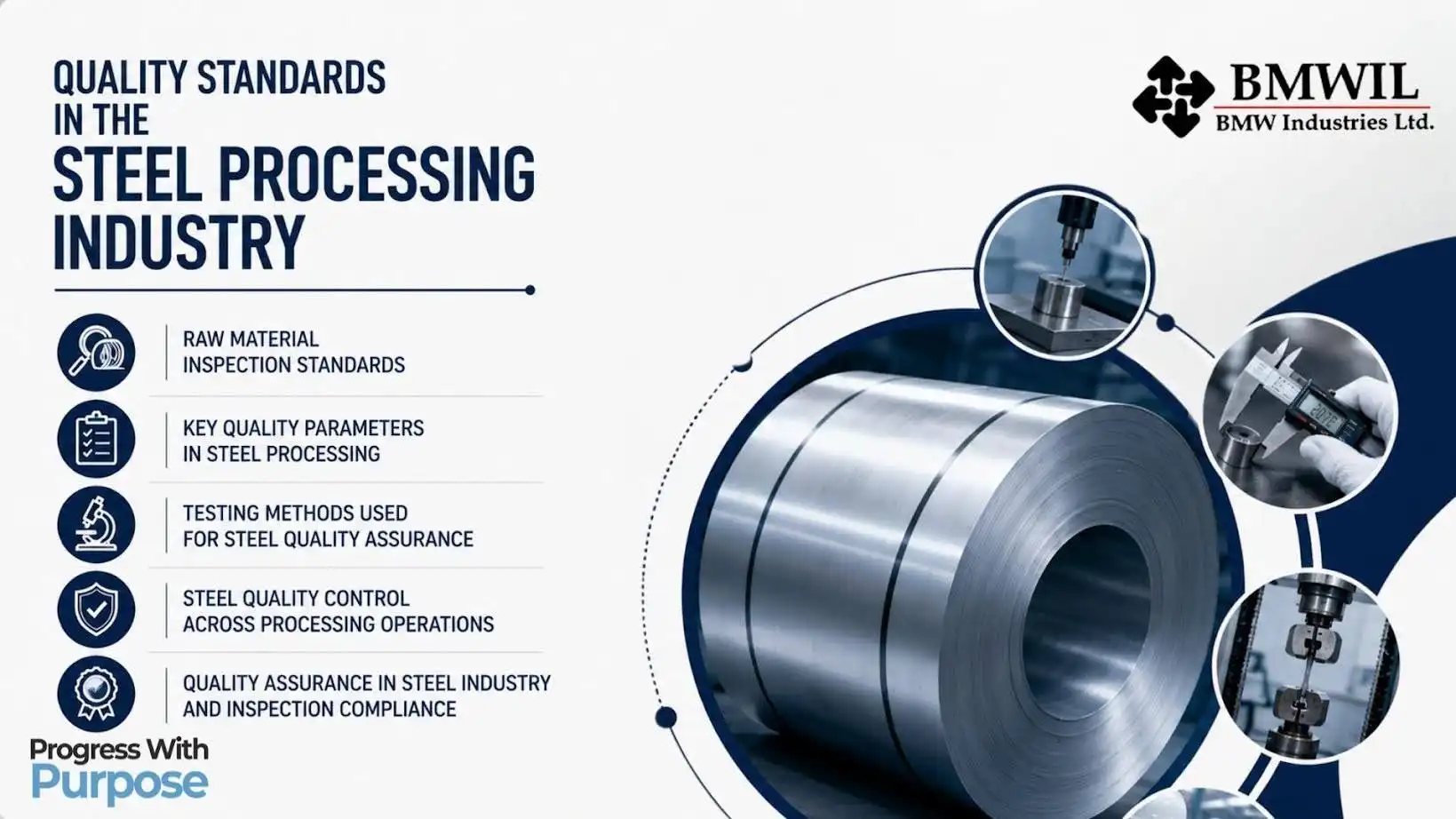
The quality of flat steel is shaped by every stage of its processing journey. Each of the processes play an important role in improving the strength, accuracy, durability, and overall performance of the final product. Supported by comprehensive quality checks of steel processing, these methods ensure manufacturers receive steel that is ready for demanding industrial applications. As industries continue to prioritise precision, efficiency, and long-term reliability, advanced flat steel processing methods will remain central to producing steel products that consistently deliver outstanding performance.
The main methods of steel processing for flat steel products include hot rolling, cold rolling, pickling, annealing, galvanizing, slitting, cut-to-length processing, leveling, and surface finishing.
Cold Rolling improves dimensional accuracy, surface finish, and mechanical strength, making flat steel suitable for applications where precision and appearance are important.
The Benefits of Steel Processing include better strength, improved corrosion resistance, higher manufacturing efficiency, superior surface quality, reduced waste, and longer service life.
Quality Checks of Steel Processing ensure every flat steel product meets strict specifications for quality, consistency, and performance before it reaches the customer.