Industrial success is no longer measured only by output, scale, or operational efficiency. Businesses today are also expected to show how responsibly they manage resources, reduce environmental impact, and contribute towards long-term sustainability. This shift is particularly visible in the steel processing industry, where sustainability is becoming an important part of how modern operations are evaluated.
A responsible steel processing plant is not simply focused on production targets. It also works towards using energy wisely, managing resources carefully, and building systems that support long-term environmental goals.
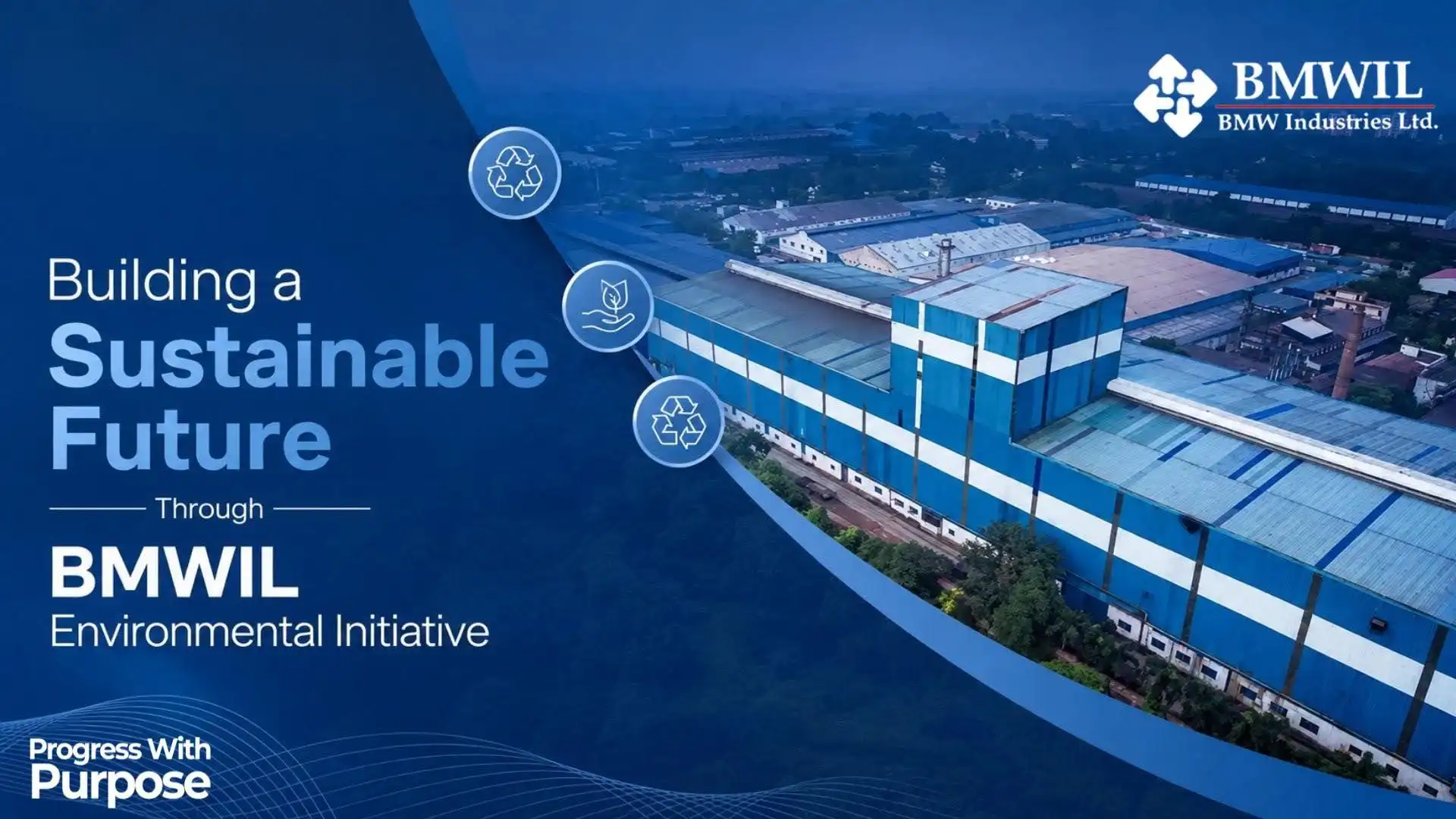
BMW Industries Limited (BMWIL) reflects this changing mindset through sustainability-led practices and responsible operational strategies. So, how does environmental responsibility fit into modern steel processing, and why is it becoming increasingly important? Let’s explore.
Environmental sustainability in a steel processing plant is shaped by a combination of operational discipline, efficient resource use, and responsible environmental management. Rather than relying on isolated sustainability measures, modern industrial operations increasingly adopt integrated systems that support energy efficiency, waste management, and resource conservation.
A strong sustainable strategy begins with clear intent followed by measurable action. BMWIL’s approach towards environmental responsibility reflects this through initiatives.
BMWIL places importance on balancing industrial performance with environmental responsibility. Its approach includes operational systems that focus on resource conservation and environmentally conscious practices designed to support long-term sustainability goals.
This balanced approach matters because sustainability in manufacturing is not achieved through one initiative alone. It depends on consistent efforts across operations, infrastructure, and environmental management.
Energy management continues to play a major role in industrial sustainability. Energy-efficient industrial practices help organisations improve operational performance while reducing environmental impact.
BMWIL supports this through renewable energy adoption and efficiency-driven operational measures. Efficient energy use creates value beyond environmental benefits. It supports resource optimisation, strengthens operational stability, and contributes to long-term business resilience.
Effective sustainability depends heavily on how industries manage waste and resource utilisation. Waste reduction and recycling initiatives help organisations reduce environmental impact while encouraging more efficient operational practices. Effective sustainability depends heavily on how industries manage waste and resource utilisation. BMWIL’s sustainability framework reflects the importance of responsible environmental management and resource-conscious operations. Within industrial settings, strong waste reduction initiatives are not limited to handling discarded materials. They also involve creating systems that minimise avoidable waste, encourage better resource usage, and support operational efficiency.
Sustainability becomes more meaningful when it is built into everyday industrial processes. Sustainable manufacturing and operational practices help organisations align productivity with responsible environmental management. BMWIL demonstrates this through initiatives focused on water conservation, environmental stewardship, and efficient operational systems. Practices like water reuse measures and zero liquid discharge systems reflect a practical commitment to responsible manufacturing. These operational measures do more than support environmental objectives. They also contribute to improved resource efficiency and stronger process discipline.
Progress towards sustainability is built through consistent action. Every meaningful environmental initiative contributes towards creating stronger and more responsible industrial systems. BMWIL’s sustainability journey reflects this principle through renewable energy integration, water conservation practices, and environmentally conscious operational measures. Together, these efforts demonstrate how industrial organisations can work towards a more sustainable future without separating environmental responsibility from operational performance.
The Benefits of sustainable industrial development extend well beyond environmental impact. Sustainable practices can influence operational efficiency, long-term resilience, resource management, and business credibility.
Organisations that adopt sustainability-focused systems are often better prepared to respond to evolving regulatory expectations, industry changes, and stakeholder priorities. Responsible operational practices can also help strengthen process efficiency and support more disciplined resource management.
BMWIL’s sustainability efforts illustrate how responsible industrial operations and business performance can work together. Within the evolving steel processing industry, sustainable industrial development is increasingly becoming an important pathway towards long-term, responsible growth.
The future of the steel processing industry is being shaped not only by operational capability but also by environmental responsibility. A modern steel processing plant is expected to deliver performance while managing resources thoughtfully and reducing environmental impact.
BMWIL’s focus on renewable energy, water conservation, environmental stewardship, and responsible operational systems reflects how businesses can integrate environmental sustainability into everyday industrial practice. As industries continue moving towards a more sustainable future, organisations that invest in responsible growth and meaningful sustainability measures will be better positioned to create lasting value.
Environmental sustainability supports efficient resource use, responsible operations, regulatory alignment, and long-term industrial resilience.
A steel processing plant can improve sustainability through efficient energy use, water conservation, responsible waste management, and environmentally focused operational practices.
These are operational methods that help reduce energy consumption, improve efficiency, and support environmental goals within industrial settings.
Sustainable industrial development supports stronger operational efficiency, responsible resource management, long-term resilience, and improved environmental performance.
Steel is part of everyday industrial progress. It supports infrastructure, manufacturing, engineering, transport, and countless...
Every steel product begins with raw material, but its real value is created during processing....